



Car recycling - Which parts are worth recycling?
Car recycling - what happens to cars that are no longer roadworthy?
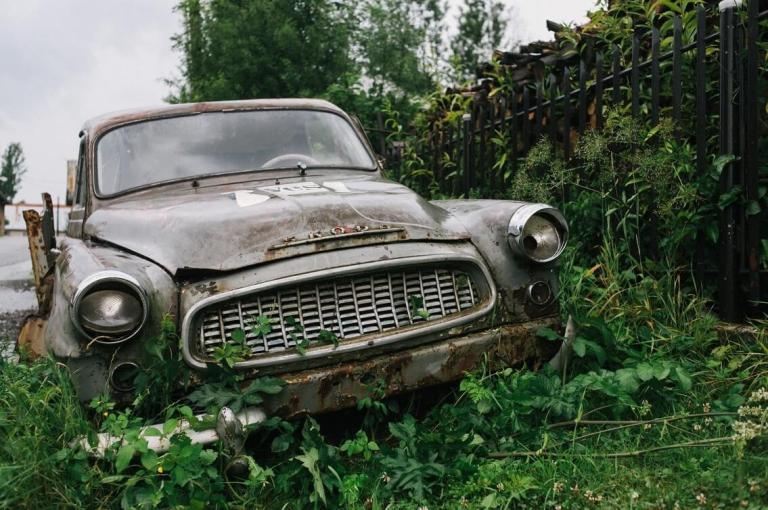
Cars that are no longer roadworthy are recycled. Recycling is the process of reprocessing and reusing objects. This is important for our environment in order to save resources and minimise the impact on the environment. This is why individual parts and entire cars are also recycled. If your vehicle is no longer registered for road use because it can no longer pass the MOT and the repair would exceed the value of the car, you can take it to a scrap yard. There it will be disposed of properly. You can also contact the manufacturer of the vehicle. Under the European End-of-Life Vehicle Directive, the manufacturer is obliged to take back the vehicle free of charge.
464.657 vehicles, including light commercial vehicles, were collected for recycling in 2019. A car consists of around 10,000 parts, some of which can still be removed and reused or must be disposed of elsewhere.
Which cars can be converted?
First of all, all the fluids that are needed in the car are collected. For example, the engine oil, brake fluid, wiper fluid, etc. As the cars are shredded, the fluids must be removed as they would escape during the pressing process and end up in the environment.
Recycling of individual parts
Some parts have a residual value if they are in good condition, such as the car battery. These are then sold on by scrap dealers. The most frequently removed part on a vehicle is the catalytic converter. This contains rare metals. But airbags are also removed or blown up because of the explosives they contain.
The rims of a car are generally not scrapped. They are kept and resold in the same way as other parts in good condition.